

While many factors can affect your breath, a persistent odour can sometimes point to an underlying oral health issue.
Bad breath, also known as halitosis, can be a direct sign of tooth decay. The bacteria responsible for creating cavities release unpleasant-smelling gases as they break down food particles in your mouth. This process is a frequent cause of persistent bad breath.
The Connection Between Cavities & Bad Breath
The bacteria that cause tooth decay thrive on food particles left on your teeth after you eat. As these bacteria consume sugars, they produce acids that wear away your tooth enamel. This process also releases foul-smelling compounds, which is why a cavity can directly lead to an odour.
What Does Tooth Decay Breath Smell Like?
The odour from a decaying tooth is often distinct and more persistent than typical morning breath. You may notice a sulphur-like or rotten smell. This type of bad breath often doesn’t go away with brushing or using mouthwash.
Other Oral Health Issues That Affect Breath
While tooth decay is a common cause, other conditions can also contribute to bad breath. Gum disease, a dry mouth, or other infections in your mouth can create similar odours. Identifying the specific source is the first step toward finding a solution.
How to Tell If a Cavity Causes Your Bad Breath
If you have ongoing bad breath that doesn’t improve after you brush and floss, a cavity may be the source.
Signs of a cavity include:
- A persistent bad taste in your mouth
- Visible holes or dark spots on your teeth
- Tooth sensitivity, especially to sweet, hot, or cold foods
- Discomfort when you bite down
- Bad breath that returns soon after you brush
At-Home Care for Better Breath
A good oral hygiene routine can help you manage the symptoms of bad breath. However, it won’t fix the underlying cavity, so you’ll still need to arrange for professional care.
The following steps can provide temporary relief while you arrange for professional care.
Brush & Floss Daily
Brushing your teeth at least twice a day helps remove plaque and food debris. Flossing once daily is also important for cleaning between your teeth.
Use a Therapeutic Mouthwash
Rinsing with a mouthwash can help reduce bacteria in your mouth. It also offers a temporary way to freshen your breath.
Clean Your Tongue
Bacteria can also collect on the surface of your tongue and contribute to bad breath. You can use a tongue scraper or your toothbrush to gently clean your tongue each day.
Professional Treatments for Tooth Decay & Bad Breath
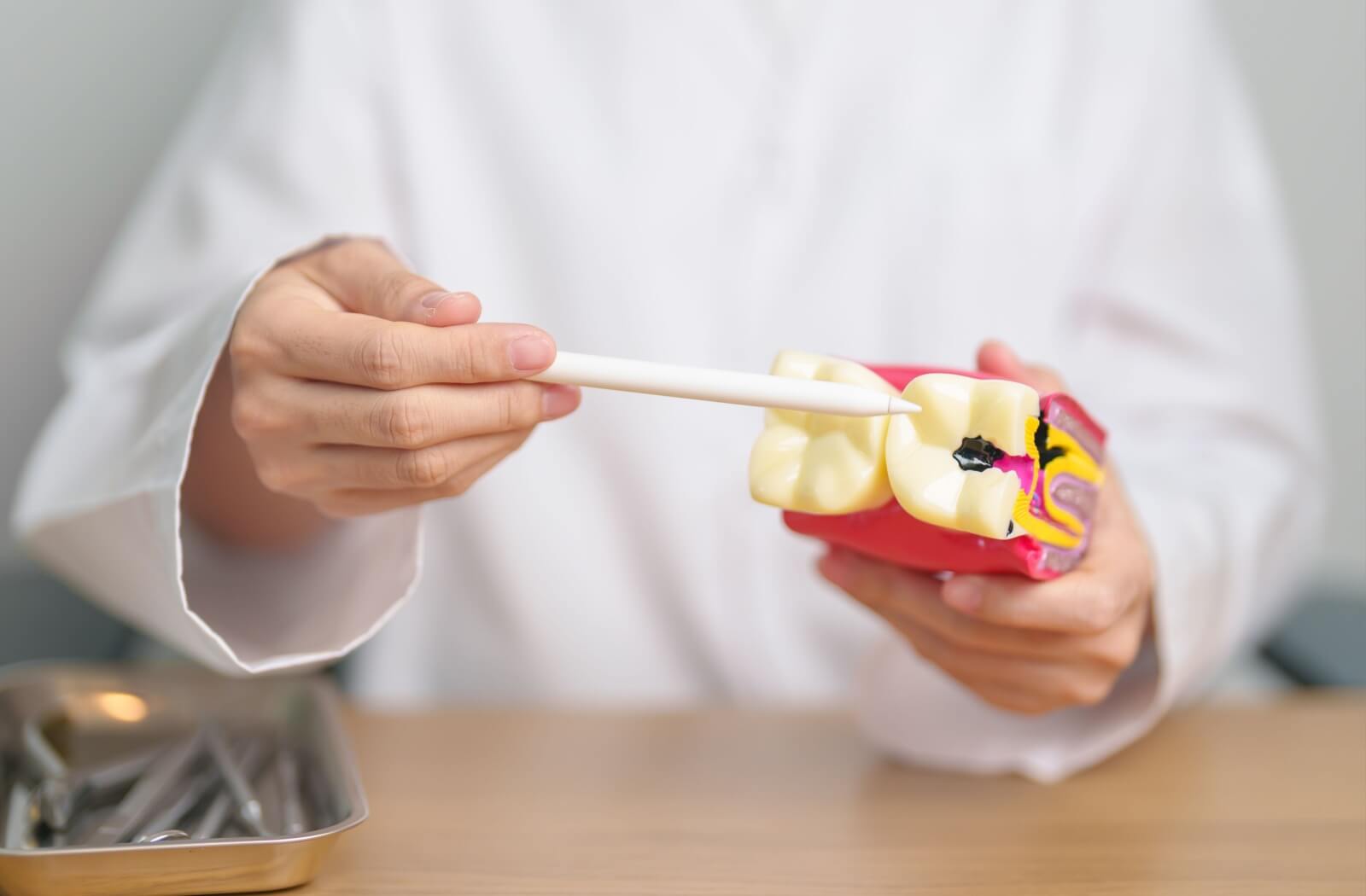
To fully resolve bad breath caused by decay, you’ll need to have a dental professional treat the cavity. As your dentist in Peace River, AB, we can assess your oral health and recommend the appropriate restorative dental treatments.
Dental Fillings
For most cavities, a dental filling is the standard treatment. Your dentist removes the decayed portion of the tooth. The open space is then filled, which eliminates the source of the bacteria and the smell.
Dental Cleanings & Biofilm Therapy
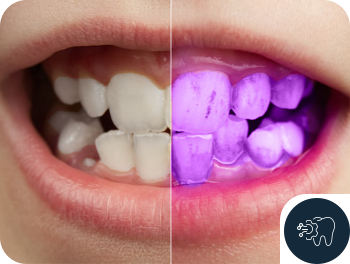
Regular professional cleanings remove plaque and hardened tartar that you cannot remove at home. For a more focused approach, biofilm therapy is a modern method to manage harmful bacteria. This treatment can help address the cause of both decay and bad breath.
Other Treatments
If your tooth decay is too extensive for a filling, your dentist might suggest another solution, such as a root canal. In especially severe situations, the tooth may need to be extracted.
Prevent Future Tooth Decay & Bad Breath
After your mouth is healthy again, you can take steps to keep your breath fresh. A proactive approach helps prevent new cavities from developing.
Maintain a Consistent Oral Hygiene Routine
Your daily routine is the foundation of good oral health. Consistent brushing and flossing are your first line of defence—they help keep your mouth clean and free from odour-causing bacteria.
Limit Sugary Foods & Drinks
The bacteria that cause cavities feed on sugar. By reducing your intake of sugary snacks and beverages, you limit potential food sources. This can help prevent decay.
Schedule Regular Dental Visits
Routine check-ups allow your dental team to identify potential issues early. This means that your dentist can deal with potential problems before you notice symptoms like pain or bad breath.
Take Care of Your Dental Health
Bad breath can be a frustrating problem, and tooth decay is a common culprit. By understanding the connection and seeking professional care, you can address the source of the issue and restore your dental health.
At Wing Dental Center, our team can help you understand and manage your oral health. If you’re concerned about persistent bad breath, contact our team to schedule an appointment.