
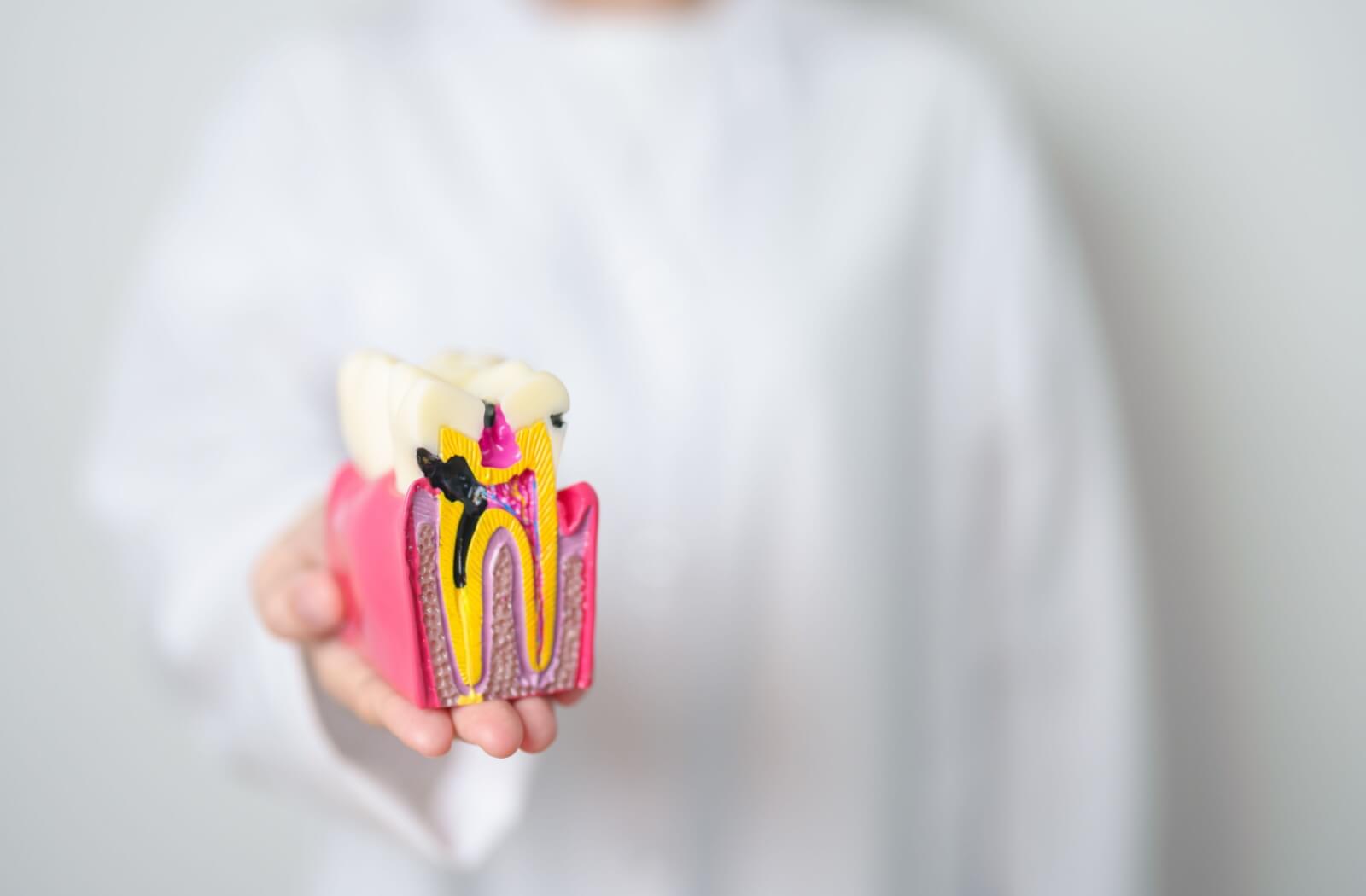
A sudden twinge of pain when you drink something cold or a dull ache in your tooth can be unsettling. These feelings often point to a cavity—a small hole that forms when tooth decay damages the hard outer surface of a tooth.
Common signs of a cavity include tooth pain, sensitivity to temperatures, and visible discolouration or holes. However, a dental professional is the only one who can confirm a diagnosis.
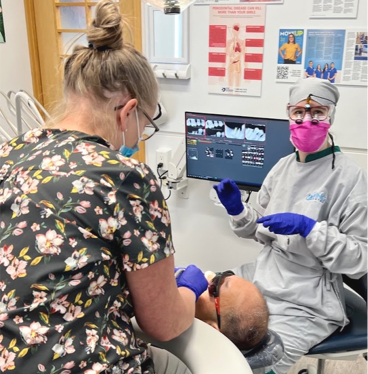
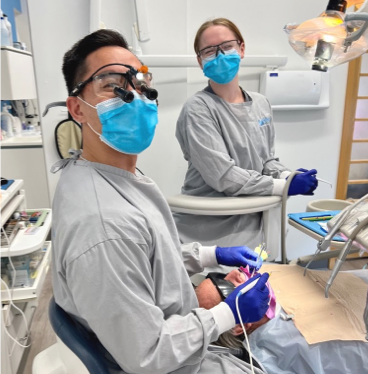
At Wing Dental Center, our team believes in empowering you with knowledge. Spotting early signs of problems during a regular dental exam can lead to simple, more effective treatment.
Key Signs & Symptoms of a Cavity
Initially, cavities may have no symptoms. However, as decay progresses. you might start to experience discomfort. Pay attention to how your teeth feel and what they look like from day to day, as these are common dental warning signs that can point to a problem.
Tooth Pain & Sensitivity
Discomfort is one of the first signs that something might not be right with your tooth. Keep an eye out for:
- A toothache that appears without an obvious reason
- A sharp feeling when you eat or drink something sweet, hot, or cold
- Pain or pressure when you bite down
Visible Changes to Your Tooth
Sometimes, you can see evidence of a cavity before you feel it. Look for these changes on the surface of your teeth:
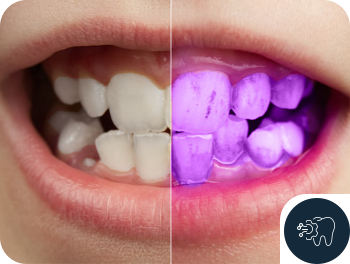
- Stains that appear chalky white, brown, or black
- A small pit or hole that you can see or feel with your tongue
What an Early Cavity Feels Like
Cavities don’t appear overnight—they develop in stages. In the very beginning, you might not feel anything at all. However, your dental team can spot a potential issue before it causes you pain.
Stage 1: The White Spot
The first sign of decay is often a chalky white spot on your tooth’s enamel. At this stage, a hole has not yet formed, though the area might be a little more sensitive than usual.
Stage 2: The Developed Cavity
Once decay breaks through the enamel, a cavity begins to form. This is the point where you’re more likely to experience pain and sensitivity. If a cavity does form, your dental team may discuss options like fillings or crowns to restore the tooth.
How You Can Check for Cavities at Home
You can do a quick visual check at home to stay aware of your oral health between appointments. However, while a home check can help you spot changes, it doesn’t replace a professional dental exam from a dentist in Peace River, AB.
Here’s what to do:
- Look Closely: In a well-lit room, use a mirror to examine your teeth for any discoloured spots.
- Feel the Surface: Gently run your tongue over each tooth to check for any rough patches or small pits.
- Note Any Pain: Pay attention to any new sensitivity or discomfort you feel while eating or drinking.

Do Cavities Go Away on Their Own?
Once decay creates a hole in your tooth, the damage is permanent and cannot heal by itself. The tooth needs professional care to be repaired. Cavities are holes in the teeth that require professional repair. This link between oral health and your overall wellbeing is why addressing decay early is so important.
How to Prevent Tooth Decay
The good news is that you can take simple, effective steps to protect your teeth from decay. A consistent daily routine can make a significant difference for your long-term oral health.
Adopt the 2-2 Rule
The 2-2 rule is a simple way to remember the basics of brushing. You should brush your teeth 2 times a day for a full 2 minutes each time. Make sure to follow guidelines for proper technique.
Floss Daily & Eat a Balanced Diet
Flossing at least once a day helps clear away plaque from between your teeth in places that your toothbrush has trouble reaching. Limiting sugary foods and drinks also helps protect your teeth, as it reduces fuel for the bacteria that cause cavities.
Schedule Regular Dental Visits
Regular check-ups and cleanings are a key part of any oral health plan, as they allow your dental team to spot early signs of potential concerns and remove hardened plaque.
At Wing Dental Center, we’re dedicated to providing professional and caring service. If you notice any of these signs or are due for a check-up yourself, reach out to schedule your appointment today.